

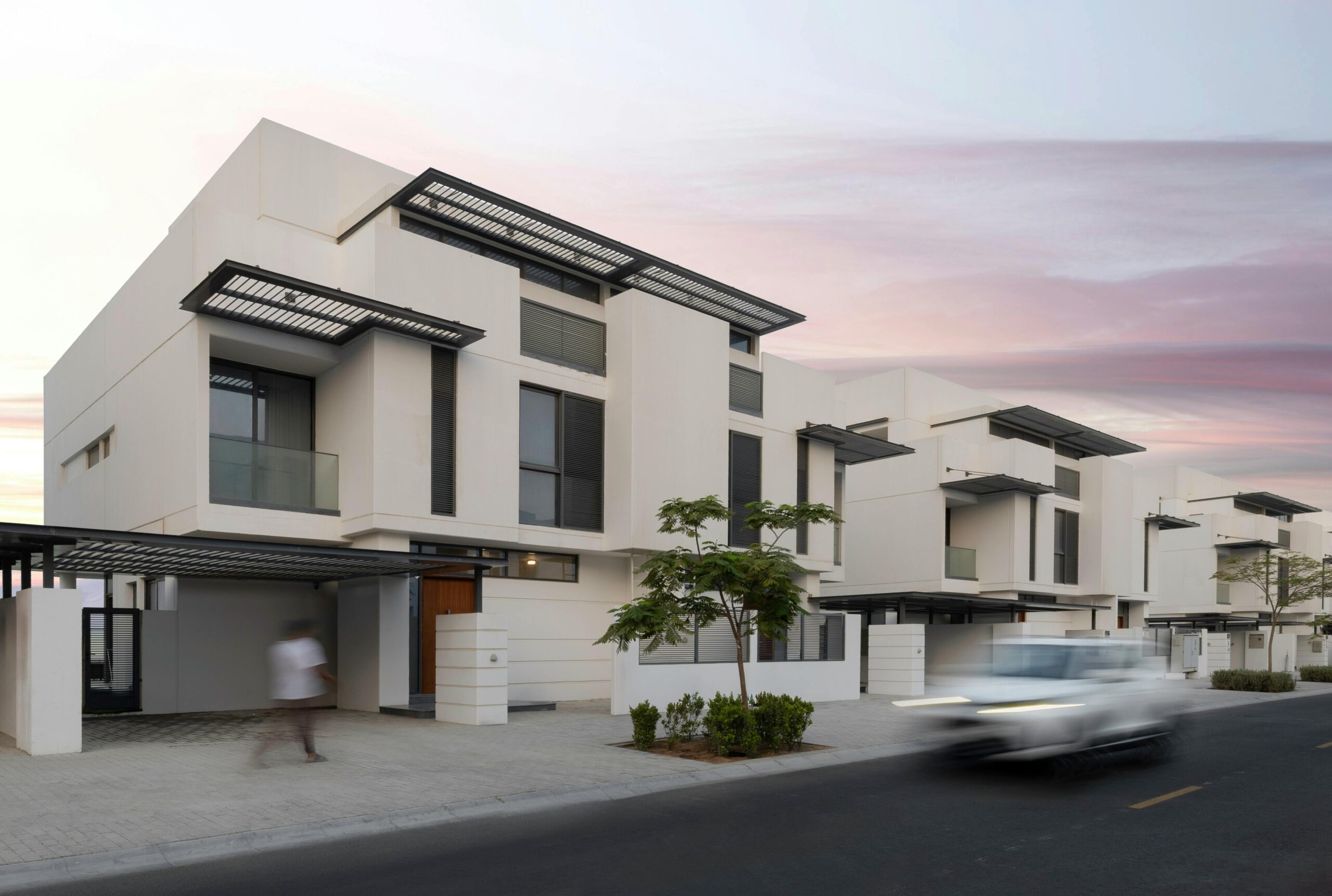
The structural transformation of the modern commercial real estate ecosystem and premium residential planning is experiencing a profound realignment as the traditional, inefficient models of air distribution are being replaced by the sophisticated implementation of artificial intelligence-driven climate management frameworks. This evolution is driven by the urgent necessity for institutional investors, sovereign wealth funds, and premium urban developers to navigate the increasing complexities of environmental regulations, resource scarcity, and the shifting dynamics of metropolitan property valuation with unprecedented precision.
In the current era of high-stakes asset management, a domestic heating, ventilation, and air conditioning system is no longer viewed simply as a basic utility or a background mechanical component, but as a dynamic, highly valuable intelligence engine that directly regulates atmospheric quality and human productivity. For the strategic professional and the institutional capital allocator, the modernization of these climate systems represents a critical maneuver in risk mitigation and premium asset protection, as spaces equipped with predictive learning algorithms command significantly higher market premiums and enjoy greater resilience against global economic shifts.
By weaving advanced computational scanning, modern thermal insulation barriers, and biophilic architectural principles directly into the existing structural framework, planners are now able to engineer future-proof commercial and residential habitats that preserve cultural legacy while delivering modern efficiency. This transition requires a profound mastery of spatial data science, regenerative material engineering, and the orchestration of complex supply chains to ensure that the relationship between the historical building and the natural world is one of mutualism and continuous restoration.
We are witnessing the birth of a new standard in urban excellence where the success of a project is measured by its environmental adaptation quotient and its ability to maintain functional intelligence and community wellness regardless of external climate volatility. Ultimately, the goal of this adaptive planning is to foster a resilient metropolitan fabric that acts as a proactive partner in human progress, providing a sanctuary that is as ecologically responsible as it is economically robust.
The Foundational Pillars of Automated Energy Growth
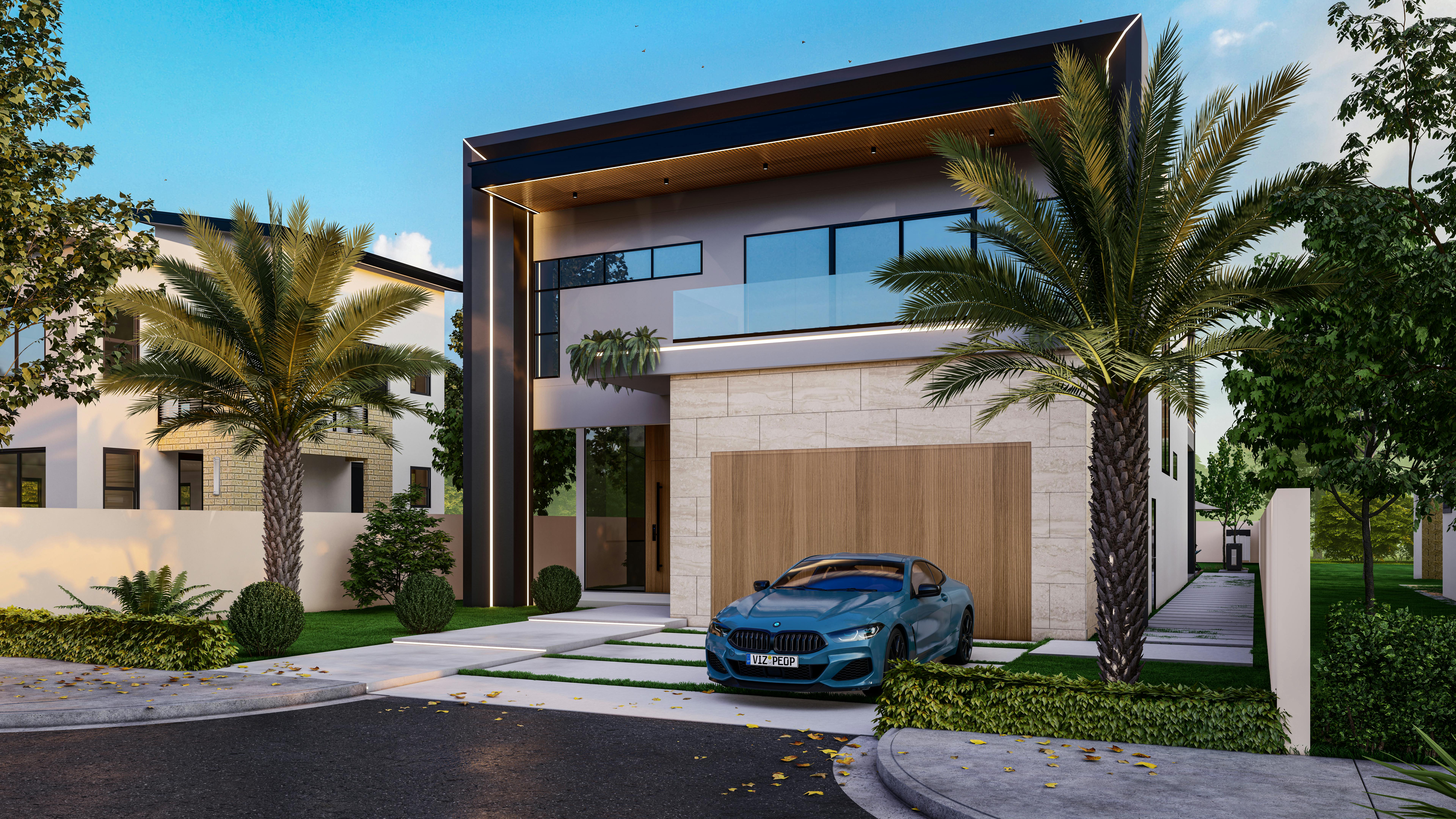
The transition toward a fully automated climate control framework begins with a structural commitment to the integration of physical and biological layers. Modern adaptive design is built upon a framework that prioritizes the seamless flow of energy, historic materials, and human capital within a protected urban fabric.
A. Decentralized Thermal Mass Decoupling and Predictive Storage
B. High-Fidelity IoT Spatial Scanning and Biometric Modeling
C. Decentralized Renewable Micro-Grid and Energy Storage Rails
D. Biophilic Spatial Zoning and Thermal Mass Performance Management
E. Modular Forward-Compatible Architectural Frameworks
By utilizing these foundational pillars, developers can ensure that a revitalized site functions as a high-performance asset. This infrastructure provides the necessary physical complexity to withstand environmental volatility while maintaining a serene aesthetic.
Implementing Predictive Thermodynamics and Climate Logic
Maintaining a stable internal environment within a massive space requires more than just high-quality insulation; it requires the use of predictive AI to manage thermal loads. These systems analyze real-time meteorological data to adjust the cooling, heating, and ventilation of an entire structure before the external temperature shifts.
A. Automated Solar Trajectory and Shading Adjustment
B. Dynamic Building Envelope Thermal Lag Analysis
C. Phase-Change Materials for Passive Heat Storage
D. High-Performance Geothermal Ground-Coupled Loops
E. Integrated Wind Flow and Natural Ventilation Rails
These systems ensure that the occupant remains in a state of total comfort with minimal energy consumption. By automating these processes, the development reduces its operational footprint and lowers the total cost of ownership for investors.
The Role of Circular Hydrology in Resource Sovereignty
Water is a critical resource that must be managed with absolute precision to ensure structural resilience. Modern planning utilizes circular water systems that harvest, treat, and redistribute water within a closed loop, reducing the reliance on municipal supplies.
A. Multi-Stage Biological Graywater Filtration Systems
B. Real-Time Acoustic Leak Detection and Mitigation
C. Integrated Rainwater Mining and Storage Vaults
D. Atmospheric Moisture Extraction and Mineralization
E. Nutrient Recovery for Urban Agricultural Integration
Managing water as a circular resource is essential for the long-term stability of developments in high-stress environments. These systems provide a significant reduction in waste and enhance the biological health of the surrounding landscape.
Material Science and the Power of Regenerative Engineering
When designing for the long term, the choice of materials dictates the resilience of the built environment. Strategic planners prioritize regenerative materials that have low embodied carbon and the ability to age gracefully without structural degradation.
A. Sustainably Sourced Mass Timber and Bamboo Rails
B. Self-Healing Bio-Concrete and Advanced Masonry
C. High-Albedo Reflective Coating and Surface Logic
D. Recycled Composite and Polymer Structural Elements
E. Low-VOC and Non-Toxic Interior Material Standards
These materials provide a physical connection to the earth while supporting the building’s role as a self-sustaining ecosystem. They create an environment that feels familiar and safe, reducing the stress associated with artificial urban surfaces.
Acoustic Ecology and Stress Mitigation in Dense Hubs
The soundscape of a climate-controlled asset is just as important as its visual appearance for maintaining psychological comfort. Immersive design utilizes advanced acoustic dampening and natural sound masking to create a sanctuary environment even in high-density urban zones.
A. Integrated High-Fidelity Audio and Natural Soundscape Rails
B. Acoustic Buffers Made from High-Density Bio-Materials
C. Strategic Use of Water Features for Sound Masking
D. Mitigation of Harsh Urban and Mechanical Noise Pollution
E. Resonance Optimization for Social and Cultural Interaction
A well-designed soundscape can significantly lower cortisol levels in a busy metropolitan center. It allows for deeper focus and a more profound sense of privacy and tranquility within a communal setting.
Data Sovereignty and Secure Community Infrastructure
In an era of hyper-connectivity, the protection of community data is a critical component of resilient planning. High-performance developments use edge computing to ensure that personal movement and energy usage data remain private and secure.
A. Hardware-Level Encryption for District Data Rails
B. Decentralized Data Storage and Secure Enclave Processing
C. Anonymous Behavioral Pattern Aggregation for AI Learning
D. Verified Third-Party Cybersecurity Integrity Audits
E. Transparent Data Usage and Resident Consent Protocols
Maintaining data sovereignty protects the community from cyber-attacks and preserves the trust of the residents. It is the definitive standard for institutional-grade residential technology today.
Enhancing Public Health through Ambient Wellness Monitoring
A climate-regulated community acts as a twenty-four-hour health partner by monitoring air quality and promoting physical recovery. Sensors built into the urban fabric can identify early signs of environmental stress and adjust the atmosphere accordingly.
A. Real-Time VOC and Particulate Matter Sensing Rails
B. Circadian-Aligned Public Lighting and Recovery Zones
C. Mobile Health Monitoring and Ambient Wellness Logic
D. Automated Water Purity and Mineralization Tracking
E. Rapid Emergency Triage and Response Integration
Prioritizing wellness is a primary driver of economic productivity and human performance. A community that understands the biological needs of its residents is a community that fosters long-term prosperity.
Scaling Resilient Districts into Sovereign Metropolises
The final stage of execution involves scaling these intelligent systems from a single street or district to the entire metropolitan area. This creates a network of twins that share resources and data to create a truly autonomous and resilient urban organism.
A. Interoperable Data Standards for Multi-District Synergy
B. Cross-Zone Resource Management and Yield Sharing Logic
C. Standardized Planning Guidelines for Autonomous Growth
D. Integration of Public Green Space and Mobility Corridors
E. Promotion of Local Craftsmanship within Digital Economies
Scaling these systems creates a more resilient and sustainable urban fabric. It ensures that the city can grow and adapt to the needs of the next generation without losing its functional intelligence.
Robotic Construction and Fabrication via Digital Twins
We are moving toward an era where communities will be built and maintained by autonomous robotic systems managed by climate-focused logic. 3D-printed infrastructure and self-repairing roads will be synchronized with the community’s digital twin to ensure perfect performance.
A. Robotic Construction and Autonomous Fabrication Rails
B. 3D-Printed Structural Components and Facade Elements
C. Predictive Maintenance for Large-Scale Municipal Assets
D. Self-Repairing Material and Bio-Concrete Research Logic
E. Automated Compliance and Permitting Verification Hubs
Staying ahead of these trends is essential for any professional in the construction or development industry. The city of tomorrow will be built with a level of precision that is currently impossible for human labor alone.
Strategic Capital Allocation for Resilient Infrastructure
When building or buying into a sustainable district, it is vital to view the physical infrastructure through the lens of long-term performance. The regeneration premium is a strategic investment that pays for itself through efficiency, safety, and tenant retention.
A. Lifecycle Cost Analysis of Resilient Infrastructure
B. Hedging Against Future Resource and Energy Spikes
C. Strategic Use of Sustainable Finance and Green Bonds
D. Positioning Assets for the Global High-Net-Worth Elite
E. Long-Term Reduction in Asset and Operational Vacancy
High-performance urbanism is the only way to truly future-proof a global real estate portfolio. It is the definitive choice for those who understand that the greatest luxury is a community that is both intelligent and secure.
The Economic Impact of Climate-Adaptive Assets
Institutional real estate assets located within resilient zones command a significant premium due to their superior build quality and environmental connectivity. These assets are viewed as lower-risk because they are aligned with the future of secure, data-driven metropolitan living.
A. Significant Increase in Asset Resale and Rental Equity
B. Reduction in Total Cost of Ownership via Predictive Audits
C. Strategic Positioning for Global Institutional ESG portfolios
D. Enhanced Marketability to Elite International Professional Talent
E. Long-Term Resilience against Technological and Legal Volatility
Investing in automated climate districts is a masterclass in risk mitigation for the strategic capital allocator. It ensures that the property remains relevant and valuable in a world where environmental security is the ultimate luxury.
Urban Resilience and Crisis Management Protocols
As communities face increasing environmental and social pressures, sovereign planning allows for the implementation of robust crisis management protocols. The community can automatically reconfigure its traffic, energy, and communication networks to respond to an emergency.
A. Real-Time Flood and Storm Surge Predictive Modeling
B. Automated Emergency Evacuation and Navigation Logic
C. Resilient Communication Nets and Disaster Recovery Rails
D. Strategic Resource Stockpiling and Distribution Intelligence
E. Coordination of Public and Private Response Capabilities
By preparing for the worst-case scenarios in a digital environment, planners can build a physical world that is fundamentally superior in safety. This proactive defense is a critical component of modern luxury real estate and commercial asset protection.
Conclusion
The evolution toward smart climate architecture represents the absolute pinnacle of urban progress. Static modeling is no longer sufficient to manage the complexities of modern metropolitan growth. Strategic infrastructure investment is the primary foundation for long-term asset resilience and value. Predictive thermodynamics and climate logic ensure a constant state of comfort with minimal waste. Circular hydrology systems turn the community into a self-sustaining node for resource sovereignty. Regenerative material engineering creates a built environment that is as durable as it is beautiful.
Acoustic ecology and soundscape design provide a restorative sanctuary for high-performance living. Data sovereignty and edge computing ensure that the digital life of the community remains private. Ambient wellness monitoring turns the urban fabric into a twenty-four-hour partner in human longevity. Scaling from districts to metropolises requires a commitment to interoperable and standard rails. Robotic construction and AI fabrication will define the speed and precision of future urban growth.
Strategic capital allocation in resilient infrastructure is a masterclass in global risk mitigation. Technology and AI are turning the community into a proactive partner in human success and health. Designing with foresight is the only way to build for the next century of global environmental change. Ultimately, resilient planning ensures that our communities remain vibrant, secure, and restorative for all. The community of the future is a masterpiece of digital foresight, ecological wisdom, and structural integrity.

