

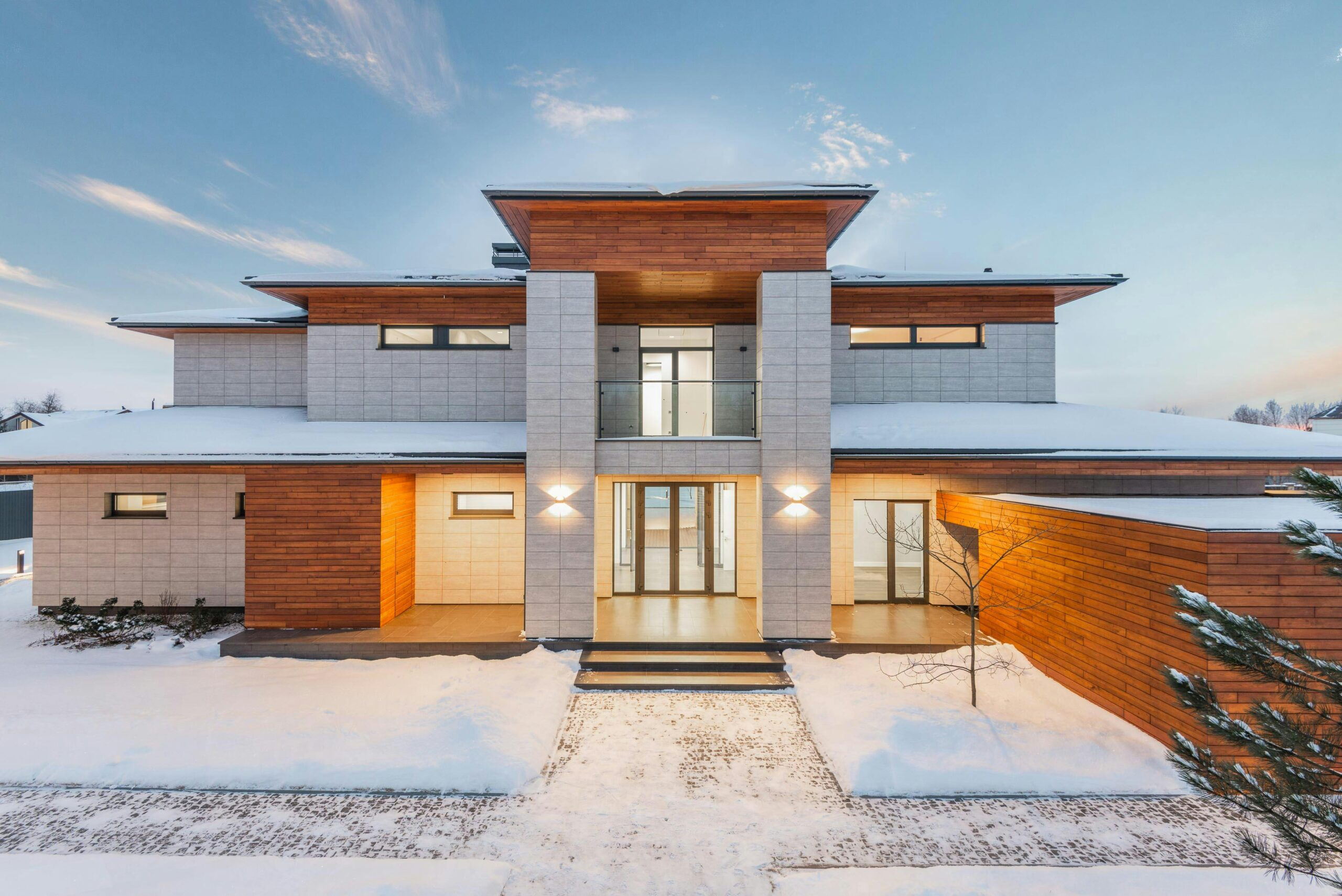
The current evolution of the global premium real estate sector has reached a critical turning point where the adoption of high-efficiency building standards has transitioned from an environmental elective to a primary institutional benchmark for high-value asset appreciation. This profound shift is driven by the discerning requirements of institutional investors, sovereign wealth funds, and elite developers who recognize that outdated, energy-intensive properties represent a significant liability in an increasingly carbon-conscious global marketplace.
The implementation of rigorous, off-grid-ready building methodologies ensures that luxury estates command substantial market premiums while providing a totally sealed, allergen-free sanctuary for high-net-worth individuals. By utilizing advanced envelope physics, triple-glazed thermal barriers, and decentralized energy-recovery systems, architects are now able to engineer habitats that require almost no active heating or cooling to remain perfectly comfortable.
This structural methodology relies on the concept of “passive thermal control,” ensuring that internal temperatures are maintained through solar orientation and human body heat rather than wasteful mechanical systems. For the strategic capital allocator, investing in these advanced structures is a definitive maneuver in risk management, as these assets exhibit superior resilience against energy price volatility and tightening environmental regulations.
As global wealth continues to move toward wellness-centric assets and longevity real estate, the mastery of climate-resilient architecture has become a primary indicator of functional intelligence and long-term desirability. We are witnessing the arrival of a new institutional standard where the operational efficiency of a property is considered just as vital as its spatial layout, location, or interior millwork finish. Ultimately, the successful deployment of these performance standards promises a future where our living spaces act as active partners in human recovery and cognitive focus while establishing an enduring legacy of value.
The Structural Blueprint for Building Physics
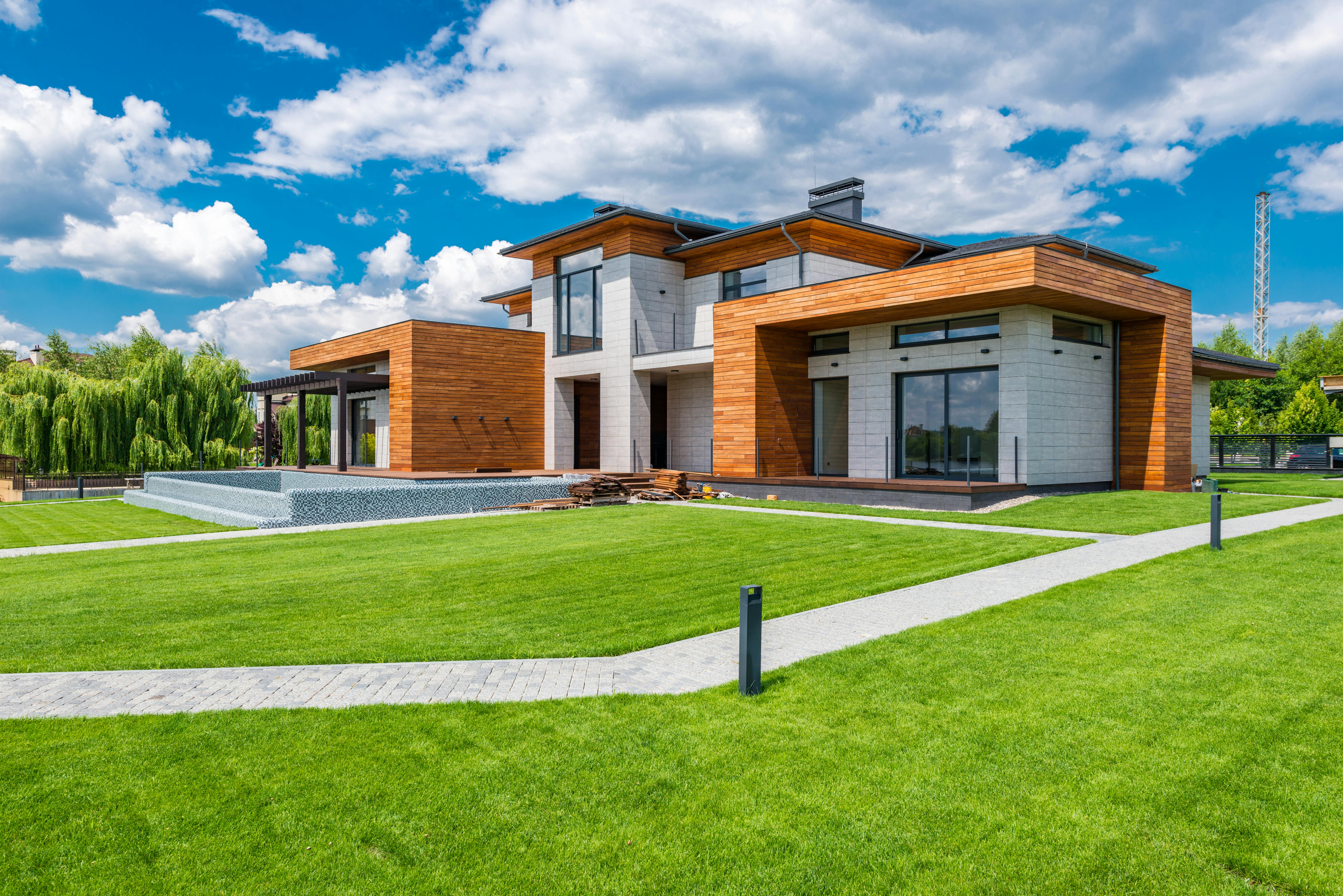
Establishing a world-class high-performance architectural environment requires a structural commitment to the science of building enclosures. This involves a multi-layered approach that prevents thermal bridging while maintaining complete internal air purity.
A. Continuous External Insulation and Airtight Membrane Calibration
B. Thermally Broken Window Frames and Triple-Glazed Glass Units
C. Decentralized Energy Recovery Ventilation (ERV) Systems
D. Passive Solar Orientation and Thermal Mass Storage Volumes
E. High-Performance Moisture Management and Dehumidification Rails
By utilizing these core pillars, architects can ensure that the internal atmosphere feels like a cohesive and healthy extension of the natural world. This infrastructure provides the necessary baseline for total biological alignment and long-term aesthetic resilience.
Airtight Envelope Physics and Thermal Bridge Mitigation
The primary objective of this construction logic is to provide an uninterrupted barrier against the transfer of heat and cold. Modern fabrication techniques allow for the creation of massive, unjointed surfaces that emphasize natural mineral veins and geological history while maintaining thermal efficiency.
A. Strategic Sealant Application and Envelope Testing Protocols
B. Continuous Vapor Barriers to Prevent Structural Degradation
C. Thermal Bridge Mitigation at Structural Cantilever Nodes
D. Advanced High-Density Foam and Cellulose Insulation Layers
E. Pressure-Equalized Rainscreen Façade System Integration
Providing the correct barrier profile ensures that the home remains acoustically and thermally isolated from the outside world. This results in better climate regulation, improved indoor air quality, and a more resilient residential envelope.
Triple-Glazed Fenestration and Solar Heat Harvesting
In high-stress urban settings, the glass envelope acts as a vital sensory counterbalance, providing maximum natural light while keeping external noise and temperature variations completely outside. Premium glass selection involves a rigorous process of light transmission and U-factor calculations.
A. Double-Low-E Coating Standards on Triple-Insulated Glass
B. Argon-Filled Cavity Calibration for Maximum U-Factor Ratios
C. Thermally Broken Composite Wood and Aluminum Window Frames
D. Automated Exterior Shading and Dynamic Solar Management
E. Acoustic Decoupling of Glass Panels for Urban Silence
By reducing the reliance on static, synthetic climate solutions, designers can create a more inclusive and supportive environment. This strategic use of high-performance fenestration is a proven driver of psychological comfort and resident retention in the global luxury landscape.
Decentralized Energy Recovery Ventilation Standards
A truly intelligent building does not work in isolation but instead prioritizes the continuous introduction of fresh, filtered air without losing internal thermal energy. The energy recovery ventilation system acts as the mechanical lung of the property, removing indoor air pollutants while transferring heat to incoming fresh air streams.
A. High-Efficiency Enthalpy Core Exchanger Installation
B. MERV and HEPA Filtration Layers for Airborne Particles
C. Silent Acoustic Ductwork and Variable-Speed DC Motors
D. Automated Humidity Stabilization and Dew-Point Calibration
E. Zonal Airflow Distribution to Private Sanctuaries and Hubs
This harmony between mechanical ventilation and thermal mass maximizes efficiency while maintaining a constant state of comfort. It creates a seamless transition between the energetic needs of the home and the natural environment.
Thermal Mass Optimization through Structural Density
High-performance real estate prioritizes the passive energy properties of its material palette to maintain a stable internal temperature. High-density stone and concrete volumes act as a thermal battery, absorbing solar energy during the day and radiating it back at night to reduce reliance on the grid.
A. Passive Solar Gain and Stone Floor Thermal Storage Capacity
B. High-Performance Radiant Floor Heating and Cooling Infrastructure
C. Thermal Bridge Mitigation through Insulated Concrete Skins
D. Seasonal Temperature Smoothing via High-Density Spatial Volumes
E. Automated Shading Integration with the Central Energy Hub
Providing the correct density balance ensures that internal climate loads remain perfectly predictable throughout the year. This results in superior energy yields and lower operational expenses for the property portfolio.
Acoustic Ecology and the Sound of Silence
The recovery phase of the residential experience is critical for wellness, requiring a complete removal of harsh echoes and external mechanical noise. Premium performance systems utilize acoustic isolation protocols that use dense materials to absorb high-frequency sounds and provide a warm auditory environment.
A. Perforated Timber Wall Systems for Advanced Sound Diffusion
B. Integrated Acoustic Batting behind Custom Wall Panels
C. Soft-Close Timber Joinery and Hidden Mechanical Damping
D. Strategic Placement of Solid Mass for Sound Reflection Control
E. Resonance-Balanced Social Zones and Reading Sanctuaries
Optimizing the home for acoustic peace is one of the most effective ways to improve overall life quality and cognitive performance. Residents wake up feeling more refreshed, as their bodies have been allowed to rest in a space free from the jarring sounds of urban life.
Data Sovereignty and the Invisible Smart Material Hub
As materials become more integrated with home technology, the protection of personal data becomes a primary concern for the elite resident. High-tier systems hide sensors and interfaces behind high-end surfaces to ensure that the home remains a private and secure sanctuary.
A. Localized Secure Edge Computing Hidden Behind Custom Joinery
B. Encrypted Capacitive Touch Sensors in Internal Surface Rails
C. Anonymous Usage Logging for Energy and Climate Metrics
D. Hardware-Level Privacy via Concealed Air-Gapped Technology Hubs
E. Verified Third-Party Cybersecurity Integrity Audits for Systems
Maintaining data sovereignty ensures that the technology remains a trusted, invisible partner in the resident’s daily life. It is the definitive standard for institutional-grade residential wellness infrastructure in the modern era.
Scaling Natural Assets for Institutional Investment Value
For real estate developers, outfitting projects with performance-tested building systems is a powerful way to increase asset equity and attract premium tenants. Wellness certifications now include rigorous standards for material honesty and energy efficiency, making these natural elements a prerequisite for world-class developments.
A. Alignment with Global Biophilic and Environmental Building Standards
B. Significant Increases in Property Resale and Rental Equity
C. Market Differentiation through Energy-Independent Building Lots
D. Lower Long-Term Maintenance Costs via Exceptional Durability
E. Enhanced Institutional ESG Portfolio Performance Metrics
Investing in biological infrastructure is a clear signal of quality and long-term thinking in competitive markets. It positions the asset at the forefront of the movement, which is currently seeing record capital inflows from institutional players.
Overcoming Synthetic Fatigue and Visual Noise
Our modern reliance on plastic-based materials has led to an overexposure to flat, visual environments that lack depth and character. Systems designed for high efficiency act as a counterbalance, providing microscopic complexity that helps the human brain recover from screen-based strain.
A. Retinal Engagement via Natural Fractal Grain and Material Patterns
B. Low-Stimulus Earth Tones for Reduced Visual Stress
C. Visual Comfort through Diffuse Light Reflection and Management
D. Contrast Optimization between Mineral and Organic Finishes
E. Ambient Backlighting of Translucent Spatial Volumes for Depth
By managing the visual environment, we can mitigate the negative side effects of our high-tech lifestyles. This focus on visual hygiene is essential for maintaining cognitive clarity and ocular health in the digital age.
The Future of Bio-Integrated Material Intelligence
We are moving toward a future where efficiency standards will be fully integrated with advanced fabrication and automated responsive design. Imagine a facade that is carved by robots to perfectly optimize the airflow and light penetration for your specific geography.
A. Robotic Architectural Carving and 3D-Printed Structural Rails
B. AI-Driven Thermal Mapping and Building Structural Algorithms
C. Bio-Feedback Loop and Responsive Material Tuning Logic
D. Predictive Decay and Maintenance Monitoring via IoT Systems
E. Emerging Nano-Coating Technologies for Self-Cleaning Surfaces
Staying ahead of these trends is vital for anyone building a future-proof residence today. The integration of high-performance standards and advanced technology is the definitive frontier of modern architectural innovation.
Strategic Investment in Tactile Urban Infrastructure
When evaluating the cost of premium performance systems, it is vital to consider the sensory return on investment in terms of improved health, productivity, and happiness. High-performance materiality is an investment in the most valuable asset of any property, which is the humans who inhabit it.
A. Quantifiable Increases in Cognitive Focus and Emotional Relaxation
B. Long-Term Healthcare Cost Reduction via Healthy Design Principles
C. Superior Quality of Life and Environmental Temperature Balance
D. Enhanced Intellectual Performance via Sensory Environment Engagement
E. Resilience against Environmental and Seasonal Stress Factors
A home that supports your biology through high efficiency and texture is a home that supports your long-term success. In an increasingly competitive world, material resonance and thermal performance are the ultimate competitive advantages.
Longevity and the Legacy of Natural Construction
The durability of these advanced structures ensures that the built environment can stand for generations with proper care. This focus on longevity reduces the need for frequent renovations, saving resources and maintaining the historical narrative of the property.
A. Heritage Construction Techniques Combined With Modern Efficiency
B. Low-Impact Restoration and Refurbishment Protocols
C. Natural Patina Development as an Aesthetic Investment Asset
D. Strategic Maintenance via Artisanal Craftsmanship Rails
E. Lifecycle Carbon Sequestration through Sustainable Timber Mass
Building for the future requires a deep respect for the materials and techniques of the past. By combining these two eras, we create a legacy of architectural excellence that respects both the environment and the inhabitant.
Conclusion
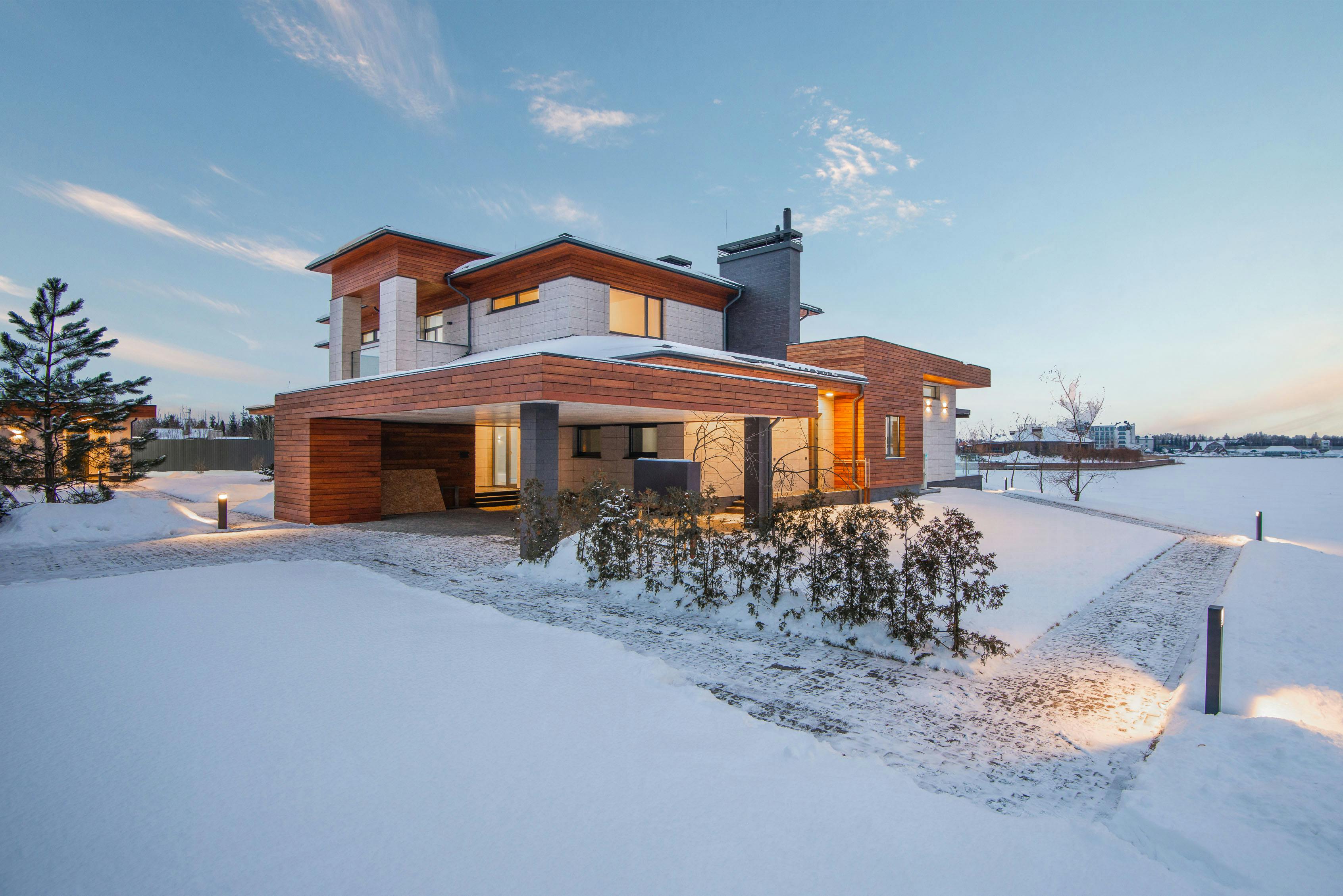
The evolution toward high-performance standards represents a fundamental shift in how we perceive the luxury built environment. Legacy models are no longer sufficient to support the complex biological needs of modern humans.
Investing in these building systems is a strategic move for long-term asset value and resilience. Mineral density and thermal precision are the new metrics for high-performance interior architecture. Natural light harvesting ensures that our indoor spaces remain connected to the external solar cycle.
Residential sensory optimization is a primary driver of long-term mental and physical health. Professional environments benefit from increased focus and productivity through tactile engagement. Data sovereignty ensures that personalized health and lighting data remain private and secure. Institutional asset value is significantly enhanced by adhering to global wellness building standards. Mitigating digital fatigue is essential for maintaining cognitive clarity in a screen-heavy world.
The future of architecture lies in the seamless integration of technology, design, and biology. Strategic investment in human-centric architecture is an investment in superior human performance. Biological harmony is the ultimate luxury in a world defined by artificial and static environments. Choosing high-quality, authentic materials ensures a reliable and premium restorative experience. Ultimately, the goal of these structural principles is to foster a life of energy, focus, and recovery. Building for efficiency is the only way to ensure our homes truly nurture the human spirit.

