

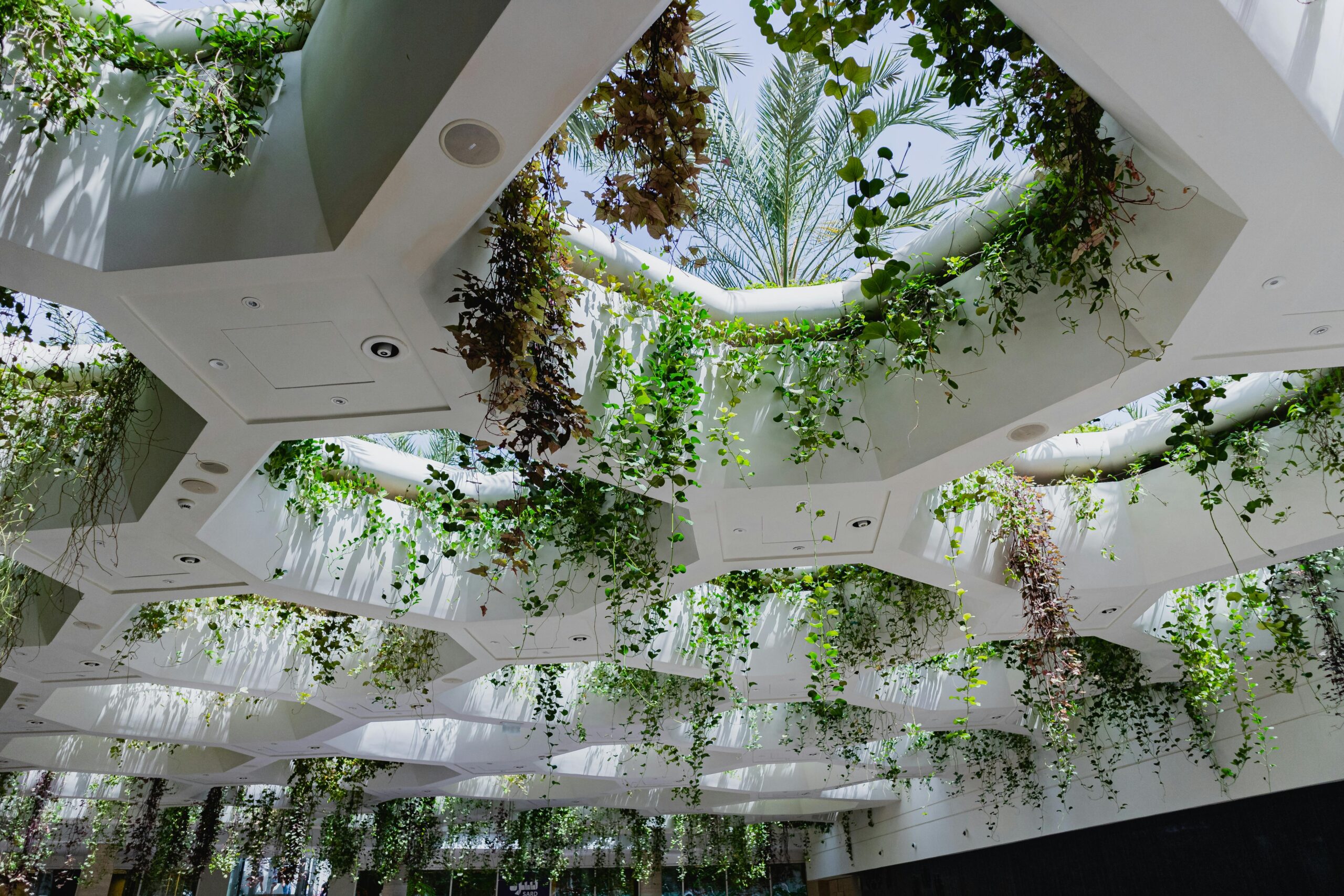
The rapid transformation of the modern architectural landscape into a multi-functional hub for professional high-performance output, deep biological recovery, and exclusive private entertainment has fundamentally elevated the strategic importance of advanced biophilic integration from a secondary construction detail to a primary structural imperative.
In an era increasingly defined by dense urban environments, constant digital stimuli, and the blurring of boundaries between public and private spheres, the ability to engineer a nature-integrated environment has become a definitive marker of luxury real estate and institutional asset excellence. High-tier homeowners and sophisticated developers are no longer satisfied with standard static facades; instead, they are demanding a holistic orchestration of natural light, living vegetation layers, moving water features, and organic geometries to mitigate the intrusive encroachment of metropolitan noise and internal mechanical stress.
This evolution is driven by a profound understanding of evolutionary psychology and its direct impact on human cognitive clarity, cortisol regulation, and the sanctity of restorative sleep, recognizing that true environmental quality is as much about organic connection as it is about advanced materials. By integrating sophisticated spatial planning—ranging from living green walls to centralized light shafts and precision timber joinery—designers are now able to create internal sanctuaries that offer a state of total psychological security and biological resonance.
This transition toward “nature-first” architectural planning requires a mastery of daylighting metrics, air purification physics, and the elimination of synthetic toxins that traditionally compromise the integrity of the building envelope. As global capital continues to flow toward wellness-certified properties and longevity-centric living environments, the implementation of world-class biophilic infrastructure has emerged as a non-negotiable differentiator for properties seeking to sustain elite market valuation and occupant satisfaction.
Ultimately, the goal of designing a nature-integrated sanctuary is to provide the resident with the cognitive freedom that comes from absolute alignment with natural systems, ensuring that the sanctuary remains a fortress of tranquility regardless of the chaotic volatility of the external urban world.
The Structural Framework of Natural Integration

Building a high-performance biophilic sanctuary requires a rigorous commitment to spatial continuity and the management of natural elements within the building envelope. This involves a multi-layered architectural strategy that allows natural daylight and living systems to penetrate deeply into the core of the residence.
A. Centralized Light Shafts and Glass Atrium Configurations
B. Structural Living Green Wall Support and Irrigation Rails
C. Biomorphic Form and Curved Spatial Geometry Engineering
D. Indoor Water Features for Acoustic Masking and Humidity Control
E. Unbroken Material Flows from Exterior to Interior Sanctuaries
By establishing these core pillars, developers ensure that the home can bridge the gap between human biology and the built environment. This infrastructure provides the necessary baseline for total auditory privacy and long-term domestic peace.
Daylighting Optimization and Circadian Lighting Design
Natural light is the most critical biophilic element, directly regulating the hormonal balance and cognitive rhythm of the inhabitants. Advanced architectural engineering utilizes precision glass systems and light-directing materials to bring sunlight deep into underground or northern-facing spaces.
A. Automated Electrochromic Glass and Smart Window Systems
B. Double-Height Glazing and Custom Skylight Rails
C. Light-Diffusing Translucent Stone and Resin Partitions
D. Circadian-Aligned LED Emulation for Overcast Conditions
E. Deep-Set Window Seats for Retinal Engagement and Rest
These strategies ensure that light is distributed evenly before it can cause glare or thermal strain. This creates a serene living environment where the passage of time is honored throughout the day.
Living Green Walls and Interior Biophilic Modules
Living walls act as the biological engine of the home, cleaning the air and providing deep psychological comfort through complex micro-textures. Biophilic design utilizes modular, self-watering systems that require minimal maintenance while maximizing plant density.
A. Self-Contained Hydroponic Wall Modules and Nutrient Rails
B. Integrated Air Intake Systems for Particulate Filtration
C. Low-Maintenance Tropical Fern and Moss Species Selection
D. Automated LED Grow Light and Circadian Cycle Protocols
E. Hidden Graywater Recycling and Nutrient Recovery Loops
These living features ensure that indoor air remains pure and rich in oxygen. It creates a serene living environment where the stresses of urban life are filtered out by the biological layers of the home.
Acoustically Engineered Water Features
Water features, such as indoor waterfalls or reflection pools, provide a consistent background sound that masks the abrasive noises of city traffic. Professional insulation involves a surgical approach to the acoustics of running water to maintain the integrity of the sound barrier.
A. Cascading Slate Panel Walls and Hidden Pump Rails
B. Precision Flow Calibration for Low-Frequency Masking
C. UV Sterilization and Filtration Systems for Biological Safety
D. Evaporative Cooling and Humidity Stabilization Protocols
E. Integrated Seating and Meditation Nooks with Water Views
Identifying and calibrating these water elements is critical for achieving a high level of mental restoration. It ensures that the investment in high-density materials is supported by a soothing acoustic backdrop.
Biomorphic Forms and Spatial Geometry Integration
Biomorphic architecture mimics the curves and branching patterns found in nature, creating spaces that feel inherently familiar and safe to the human brain. Modern sanctuaries utilize custom joinery and 3D-printed elements to avoid flat, rigid surfaces.
A. Curved Structural Timber Beams and Vaulted Ceiling Rails
B. Parametric Wall Panels with Natural Fractal Geometry
C. Organic-Shaped Monolithic Stone Islands and Joinery
D. Visual Contrast Optimization between Mineral and Organic Textures
E. Ambient Backlighting of Translucent Mineral Volumes
These high-performance geometries act as a fortress against visual fatigue. They allow for beautiful, complex interior views while maintaining an interior silence that feels completely detached from the urban chaos.
Mechanical and HVAC System Biological Control
The circulation of the home’s climate control system can be a constant source of stress if it does not integrate fresh air and natural filtration. Biophilic design integrates silent ductwork and low-velocity airflow to ensure the HVAC system remains invisible to the senses.
A. Internal Duct Liner with Natural Antimicrobial Materials
B. Vibration Isolation Hangers for Air Handling Units
C. Dedicated Outdoor Air System (DOAS) with HEPA Filtration
D. Oversized Low-Velocity Air Diffuser and Ventilation Grilles
E. Strategic Placement of Indoor Plants near Air Intakes
By addressing air quality at the source, the home maintains an internal atmosphere that is conducive to deep work and restorative sleep. This level of environmental harmony is a hallmark of premium residential craftsmanship.
Natural Material Continuity and Tactile Engagement
While light and plants bring nature in, the use of authentic, unrefined materials manages the tactile quality of the space. The use of hand-scraped wood, raw stone, and earth-toned plaster creates a warm, biophilic environment that is perfect for human recovery.
A. Monolithic Stone Slabs with Honed and Leathered Finishes
B. Integrated End-Grain Timber Flooring and Slat Systems
C. Custom Micro-Perforated Timber and Veneer Wall Rails
D. Seamless Clay and Lime Plaster Wall Application Standards
E. Curated Soft Furnishings made from Natural Plant Fibers
This internal treatment turns a room into a high-fidelity environment. It is especially vital for private libraries and sleeping sanctuaries where tactile clarity is a priority.
The Economic Value of Certified Biophilic Design
Institutional real estate investors recognize that biophilic design is one of the most significant contributors to property resale value. Properties that can prove high wellness and biophilic ratings through certified testing attract a more discerning buyer and command a premium price point.
A. Third-Party Biophilic Evaluation and Wellness Certification
B. Impact on Resale Equity and Luxury Market Position
C. Long-Term Reduction in Tenant Turnover for Multi-Unit
D. Strategic Alignment with Global Wellness Building Standards
E. Mitigation of Future Environmental Legal Liabilities
Investing in superior biophilic insulation is a masterclass in risk management and asset protection. It ensures that the property remains a desirable sanctuary even as the surrounding city grows less natural.
Data Sovereignty and the Secure Private Environment
In a world where digital privacy is a concern, physical nature integration also serves as a layer of analog security. Thick, nature-filled walls and green barriers prevent private conversations from being intercepted by external listening devices or neighbors.
A. Hardened Acoustic Barriers for Executive Home Offices
B. Secure Edge Processing for Home Automation Rails
C. Non-Intrusive Privacy-First Ambient Sensor Networks
D. Encrypted Communication within Nature-Isolated Zones
E. Protection against Physical and Auditory Surveillance
This focus on privacy makes the home a secure hub for high-level professional activities. It provides the resident with total confidence that their business and personal affairs remain strictly confidential.
Wellness-Centric Design and Circadian Soundscapes
Biophilic design is a primary tool for supporting the body’s natural circadian rhythms by ensuring a natural, restorative environment during the hours of recovery. Strategic light and plant management allows for the use of natural light cycles to enhance sleep quality.
A. Integrated Circadian Lighting and Restorative Frequency Rails
B. Nighttime Silence Protocols for Deep Melatonin Support
C. Stress-Reduction via Biophilic Sanctuary Engineering
D. Support for Neuro-Inclusive and Sensory-Sensitive Residents
E. Long-Term Healthcare Cost Reduction via Better Sleep
By treating nature as a biological variable, designers can turn the home into a proactive health tool. This biological alignment is the ultimate luxury for the modern high-performer.
Scaling Natural Excellence for Multi-Unit Developments
For developers of luxury apartments and townhomes, biophilic integration between units is the number one driver of resident satisfaction. Advanced atrium techniques and shared-garden decoupling ensure that high-density living does not compromise individual privacy.
A. Vertical and Horizontal Structural Atrium Separation Logic
B. Shared Atriums and Plumbing Biophilic Buffers
C. Common Area Biophilic Treatment and Micro-Climate Control
D. Standardized Planning for Autonomous Unit Isolation
E. Promotion of Nature-Living Community Culture Rails
Scaling these systems effectively requires a deep integration of biophilic consultants during the initial planning phase. It results in a development that is far superior to standard commercial offerings.
Future Trends in Bio-Based Architectural Materials
We are moving toward a future where biophilic insulation will be made from living organisms or high-performance recycled materials. Fungal mycelium, hempcrete, and carbon-sequestering polymers are emerging as the next generation of sound-blocking and nature-integrating technology.
A. Mycelium-Based Biophilic Wall and Ceiling Tiles
B. Hemp-Derived Carbon-Negative Batt Insulation Rails
C. 3D-Printed Biomorphic Diffusers and Geometry Logic
D. Emerging Piezoelectric Sound-Harvesting Material Tech
E. Autonomous Self-Repairing Sealants and Gaskets
Staying ahead of these sustainable trends is vital for any developer looking to future-proof their assets. These materials offer superior performance while meeting the growing demand for green building practices.
Strategic Capital Allocation for Natural Infrastructure
When evaluating the cost of premium biophilic systems, it is vital to view the investment through the lens of long-term asset performance. The sensory premium is a strategic expenditure that pays for itself through beauty, safety, and psychological wellness.
A. Lifecycle Cost Analysis of Specialized Biophilic Materials
B. Hedging Against Future Urban Noise Level Increases
C. Strategic Use of Craftsmanship and Local Engineering
D. Positioning Assets for the Global Professional Elite
E. Long-Term Reduction in Maintenance and Renovation Needs
High-performance architecture is the only way to truly future-proof a global real estate portfolio. It is the definitive choice for those who understand that the greatest luxury is a home that supports the highest human potential.
Conclusion
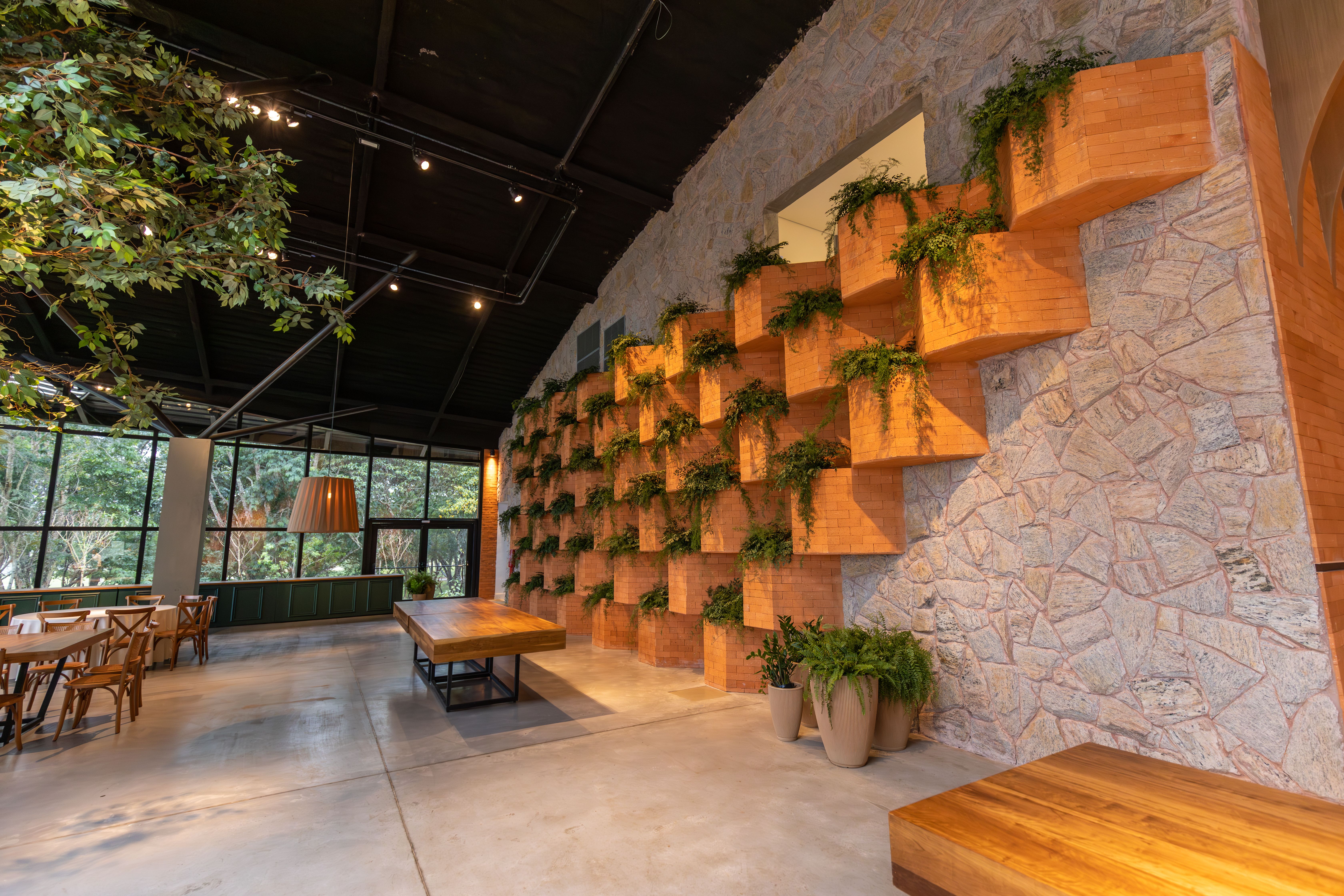
The evolution toward engineered biophilic sanctuaries represents the peak of modern residential excellence. Standard construction methods are no longer sufficient to provide the connection required by today’s elite residents. Strategic infrastructure investment in natural integration is the primary foundation for asset resilience.
Biophilic atriums and green walls are essential for eliminating internal psychological stress. Precision sealing of flanking paths ensures the integrity of the environmental barrier is never compromised. Advanced glazing systems turn the building envelope into a fortress of natural light and beauty. Mechanical air purification allows for invisible climate management that supports cognitive focus.
Natural absorption creates a warm and lively interior environment perfect for social connection. The economic returns on nature-integrated assets are driven by superior market desirability and equity. Physical biophilic integration provides an essential layer of security for high-level professional work. Wellness-centric design turns the home into a proactive tool for biological recovery and health. Scaling these systems for multi-unit developments ensures a high-quality living experience for everyone.
Future-proofing through bio-based materials protects the property from technological obsolescence. Strategic capital allocation in high-performance biophilic design is a masterclass in risk mitigation. Technology and engineering are the dual engines of modern domestic sanctuary innovation. Ultimately, biophilic architecture fosters a state of total environmental and psychological resonance. The home of the future is an invisible masterpiece of nature, comfort, and private security.

