

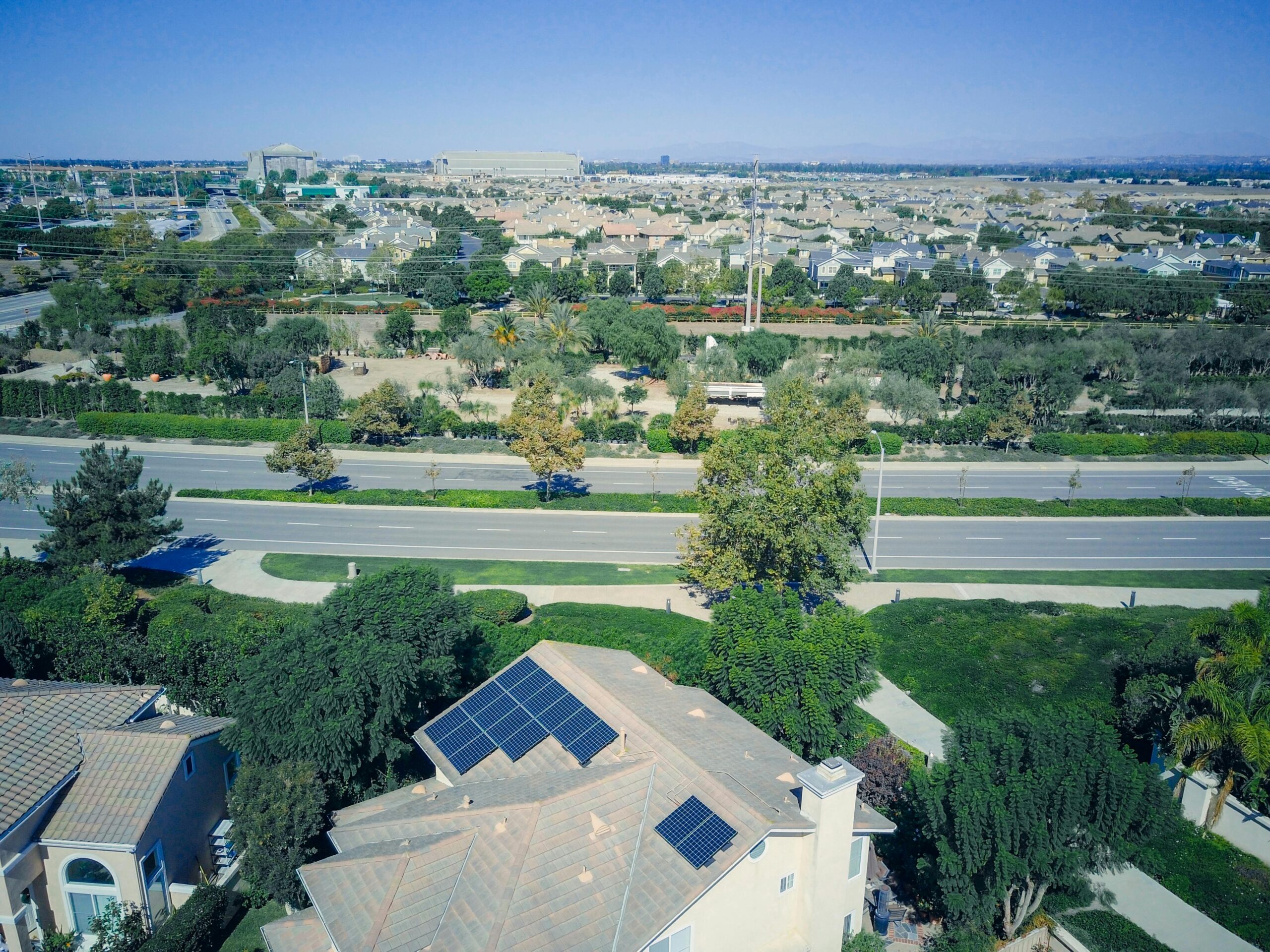
The rapid transformation of the modern residential landscape into a highly sophisticated, multi-functional hub for professional high-performance output, deep biological recovery, and exclusive private entertainment has fundamentally elevated the strategic importance of advanced, self-sufficient energy infrastructure.
In an era increasingly defined by volatile utility pricing, aging municipal power grids, and the accelerating demand for true environmental sovereignty, the ability to engineer an autonomous and highly resilient domestic power ecosystem has emerged as a definitive marker of luxury real estate and institutional asset excellence. High-tier homeowners and sophisticated developers are no longer satisfied with simple, low-capacity solar panels; instead, they are demanding a holistic orchestration of micro-generation, advanced battery storage, predictive energy management, and smart load balancing.
This evolution is driven by a profound understanding of energy independence and its direct impact on uninterrupted living, asset valuation, and the preservation of personal privacy, recognizing that true domestic security is as much about continuous power as it is about physical location. By integrating sophisticated material science—ranging from monocrystalline bifacial photovoltaic cells to solid-state residential batteries and intelligent micro-grid inverters—designers are now able to create internal sanctuaries that offer a state of total electrical resilience and psychological security.
This transition toward self-sufficient spatial planning requires a mastery of kilowatt-hour yields, depth-of-discharge metrics, and the elimination of traditional grid-dependent bottlenecks that compromise the integrity of the building envelope. As global capital continues to flow toward wellness-certified properties and longevity-centric living environments, the implementation of world-class, integrated renewable infrastructure has emerged as a non-negotiable differentiator for properties seeking to sustain elite market valuation and occupant satisfaction.
Ultimately, the goal of designing an off-grid home sanctuary is to provide the resident with the cognitive freedom that comes from absolute energy independence, ensuring that the sanctuary remains a fortress of tranquility regardless of the chaotic volatility of the external public utility networks.
The Structural Framework of Renewable Power Systems
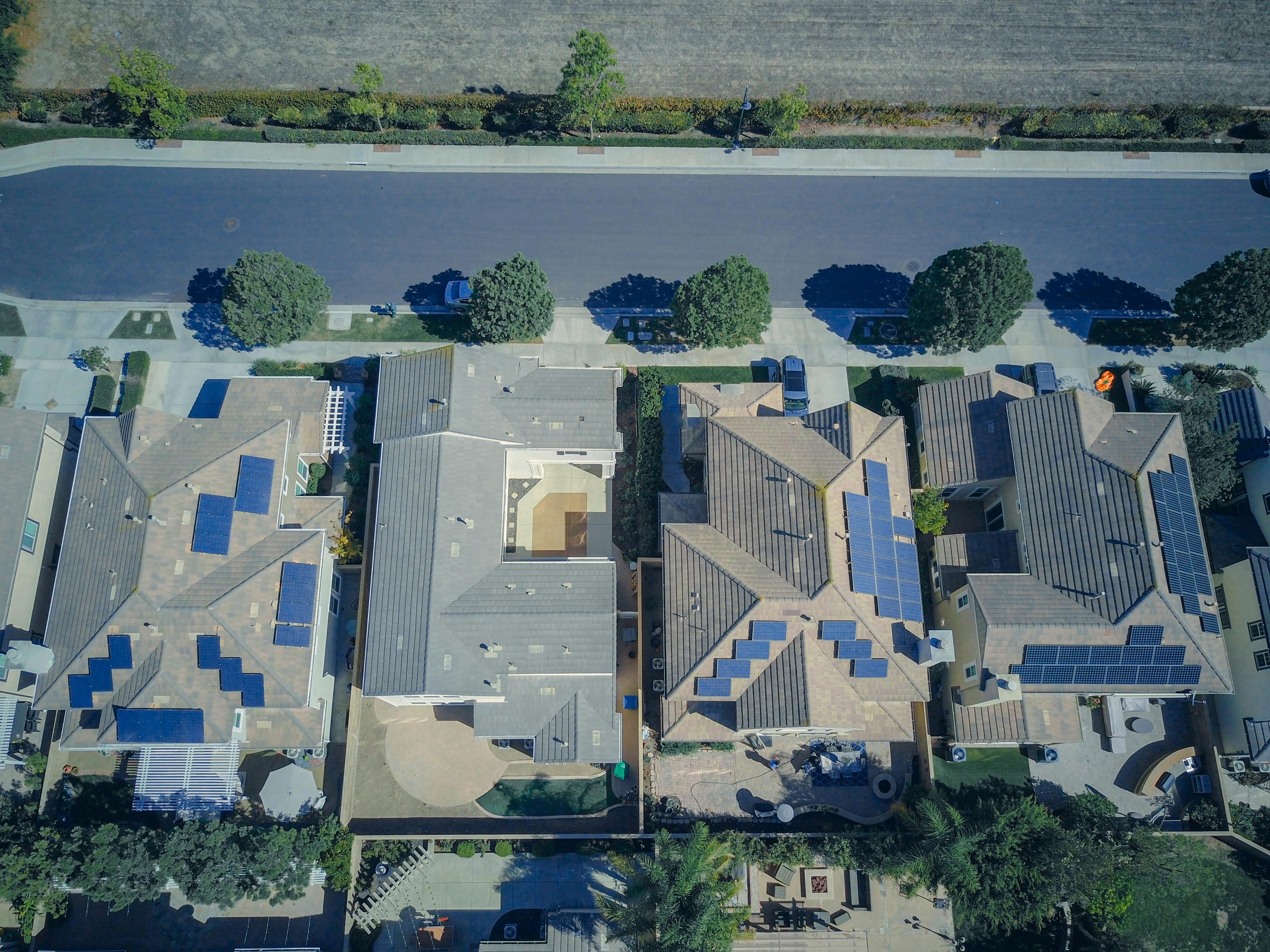
Building a high-performance, self-sufficient energy system requires a rigorous commitment to spatial optimization and the management of various micro-generation technologies. This involves a multi-layered architectural strategy that balances power generation with daily domestic consumption.
A. Bifacial Monocrystalline Photovoltaic Array Configurations
B. Vertical Axis Residential Wind Turbine Engineering
C. Geothermal Heat Exchanger Systems for Constant Thermal Regulation
D. Solid-State Residential Energy Storage Battery Units
E. Integrated Smart Micro-Grid Inverter and Control Rails
By establishing these core pillars, developers ensure that the home can generate, store, and utilize power without relying on external entities. This infrastructure provides the necessary baseline for total domestic autonomy and long-term financial peace.
Solar Generation and Bifacial Photovoltaic Logic
Solar power acts as the primary engine of modern off-grid architecture, converting clean daylight into functional electrical current. Modern high-end residences utilize bifacial technology that captures sunlight from both the top and the reflected underside of the panel.
A. Monocrystalline Bifacial Panel Field Installation
B. Smart Micro-Inverter Integration and Panel Optimization
C. Sun-Tracking Solar Canopy and Roof Structure Rails
D. Anti-Soiling Self-Cleaning Coating and Maintenance Protocols
E. Low-Light Harvesting Technology for Cloudy Conditions
These advanced solar components act as a powerful engine against high utility costs. They allow for beautiful architectural integration while maintaining a high power yield that feels completely detached from municipal constraints.
Wind Micro-Generation and Atmospheric Power
For properties situated in coastal or high-elevation locations, small-scale vertical wind turbines provide an excellent secondary source of power that works throughout the night. This technology balances the drop in solar energy generation during evening hours.
A. Permanent Magnet Direct Drive Generator Installation
B. Low-Noise Composite Blade Design and Vibration Damping
C. Vertical Integration onto Structural Architectural Elements
D. Smart Cut-In Speed Calibration and Safety Rails
E. Battery Bank Direct Charging Protocols
These wind solutions act as a silent and invisible partner in the home’s power generation. They ensure a steady supply of current regardless of the weather conditions.
Advanced Battery Storage and Solid-State Chemistry
A high-performance energy system requires a robust storage solution to hold the generated power for use during the night or periods of low generation. The modern luxury home uses solid-state or high-density lithium iron phosphate batteries to ensure maximum safety and longevity.
A. Lithium Iron Phosphate (LFP) Battery Pack Deployment
B. Solid-State Next-Generation Energy Storage Modules
C. Battery Management System (BMS) with Thermal Regulation
D. Modular Scalable Storage Architecture for Future Expansion
E. Fire-Resistant Vault and Enclosure Design Logic
These storage units act as the heart of the home’s energy autonomy. They allow the house to function independently for several days during prolonged periods of bad weather.
Intelligent Energy Management and Smart Hubs
The flow of electricity throughout a self-sufficient home is managed by a central digital brain that directs power to where it is needed most. This smart hub balances the load between living areas, the car charging station, and the storage battery.
A. Edge Computing AI for Energy Consumption Prediction
B. Hardware-Level Cybersecurity for Home Micro-Grids
C. Automated Load Shedding and Circuit Prioritization
D. Integration with Biometric and Presence Detection Systems
E. Transparent Data Sovereignty and Privacy Audit Logs
Controlling energy use through smart hubs is critical for achieving total self-sufficiency. It ensures that the home does not waste power on unoccupied zones.
Geothermal Systems for Thermal Autonomy
Heating and cooling the home typically account for the largest share of domestic energy consumption. By using the stable temperature found deep underground, the building envelope reduces its reliance on grid-generated electricity.
A. Closed-Loop Vertical Geothermal Borehole Installation
B. High-Efficiency Heat Pump and Hydronic Distribution Rails
C. Thermal Mass Storage via Concrete and Natural Stone
D. Energy Recovery Ventilator (ERV) Integration
E. Zonal Climate Calibration Logic and Airflow Management
Addressing thermal management at the source ensures the home remains comfortable with a very low base-load demand. This level of environmental control is a hallmark of premium residential engineering.
High-Fidelity Energy Infrastructure Financial Yield
Institutional real estate investors recognize that energy independence is one of the most significant contributors to property resale value. Properties that can prove low utility consumption and self-generation command a premium price point.
A. Third-Party Energy Yield Auditing and Asset Valuation
B. Return on Investment via Utility Bill Elimination
C. Long-Term Reduction in Maintenance for Autonomous Units
D. Strategic Alignment with Global Environmental Standards
E. Mitigation of Future Energy-Related Regulatory Costs
Investing in self-sufficiency is a masterclass in risk management and asset protection. It ensures that the property remains a desirable sanctuary even as energy costs rise.
Data Sovereignty and the Secure Private Environment
In a world where digital privacy is a concern, self-sufficient energy systems also serve as a layer of security. The internal monitoring and generation network is isolated from public networks to prevent outside interference or surveillance.
A. Hardened Acoustic Barriers for Executive Home Offices
B. Secure Local Edge Processing for Home Energy Systems
C. Non-Intrusive Privacy-First Ambient Sensor Networks
D. Encrypted Communication within Energy-Isolated Zones
E. Protection against Physical and Cyber Surveillance
This focus on privacy makes the home a secure hub for high-level professional and financial activities. It provides the resident with total confidence that their personal affairs remain strictly confidential.
Wellness-Centric Design and Circadian Energy Systems
Self-sufficient energy systems support the body’s natural circadian rhythms by ensuring a stable and pure power source free from micro-grid fluctuations. Strategic power management allows for the use of clean lighting and bio-adaptive frequencies to enhance sleep quality.
A. Integrated Masking and Restorative Frequency Rails
B. Nighttime Silence Protocols for Deep Melatonin Support
C. Stress-Reduction via Energy Sanctuary Engineering
D. Support for Neuro-Inclusive and Sensory-Sensitive Residents
E. Long-Term Healthcare Cost Reduction via Better Sleep
By treating the power supply as a biological variable, designers can turn the home into a proactive health tool. This biological alignment is the ultimate luxury for the modern high-performer.
Scaling Self-Sufficiency for Multi-Unit Developments
For developers of luxury apartments and townhomes, micro-grid infrastructure between units is the number one driver of resident satisfaction. Advanced shared-energy techniques ensure that high-density living does not compromise individual independence.
A. Vertical and Horizontal Structural Energy Sharing Logic
B. Shared Battery Rooms and Utility Infrastructure Buffers
C. Common Area Energy Treatment and Echo Mitigation
D. Standardized Planning for Autonomous Unit Isolation
E. Promotion of Off-Grid Community Culture Rails
Scaling these systems effectively requires a deep integration of energy consultants during the initial planning phase. It results in a development that is far superior to standard commercial offerings.
Future Trends in Bio-Based Energy Materials
We are moving toward a future where energy systems will be made from living organisms or high-performance recycled materials. Fungal mycelium batteries and carbon-sequestering polymers are emerging as the next generation of power-storing technology.
A. Mycelium-Based Battery Casing and Insulation Tiles
B. Hemp-Derived Carbon-Negative Materials for Energy Enclosures
C. 3D-Printed Solar Diffusers and Geometry Logic
D. Emerging Piezoelectric Energy-Harvesting Material Tech
E. Autonomous Self-Repairing Sealants and Gaskets
Staying ahead of these sustainable trends is vital for any developer looking to future-proof their assets. These materials offer superior performance while meeting the growing demand for green building practices.
Strategic Capital Allocation for Self-Sufficiency
When evaluating the cost of premium energy systems, it is vital to view the investment through the lens of long-term asset performance. The independence premium is a strategic expenditure that pays for itself through beauty, safety, and psychological wellness.
A. Lifecycle Cost Analysis of Specialized Energy Materials
B. Hedging Against Future Energy Level Increases
C. Strategic Use of Craftsmanship and Local Engineering
D. Positioning Assets for the Global Professional Elite
E. Long-Term Reduction in Maintenance and Renovation Needs
High-performance architecture is the only way to truly future-proof a global real estate portfolio. It is the definitive choice for those who understand that the greatest luxury is a home that supports the highest human potential.
Conclusion
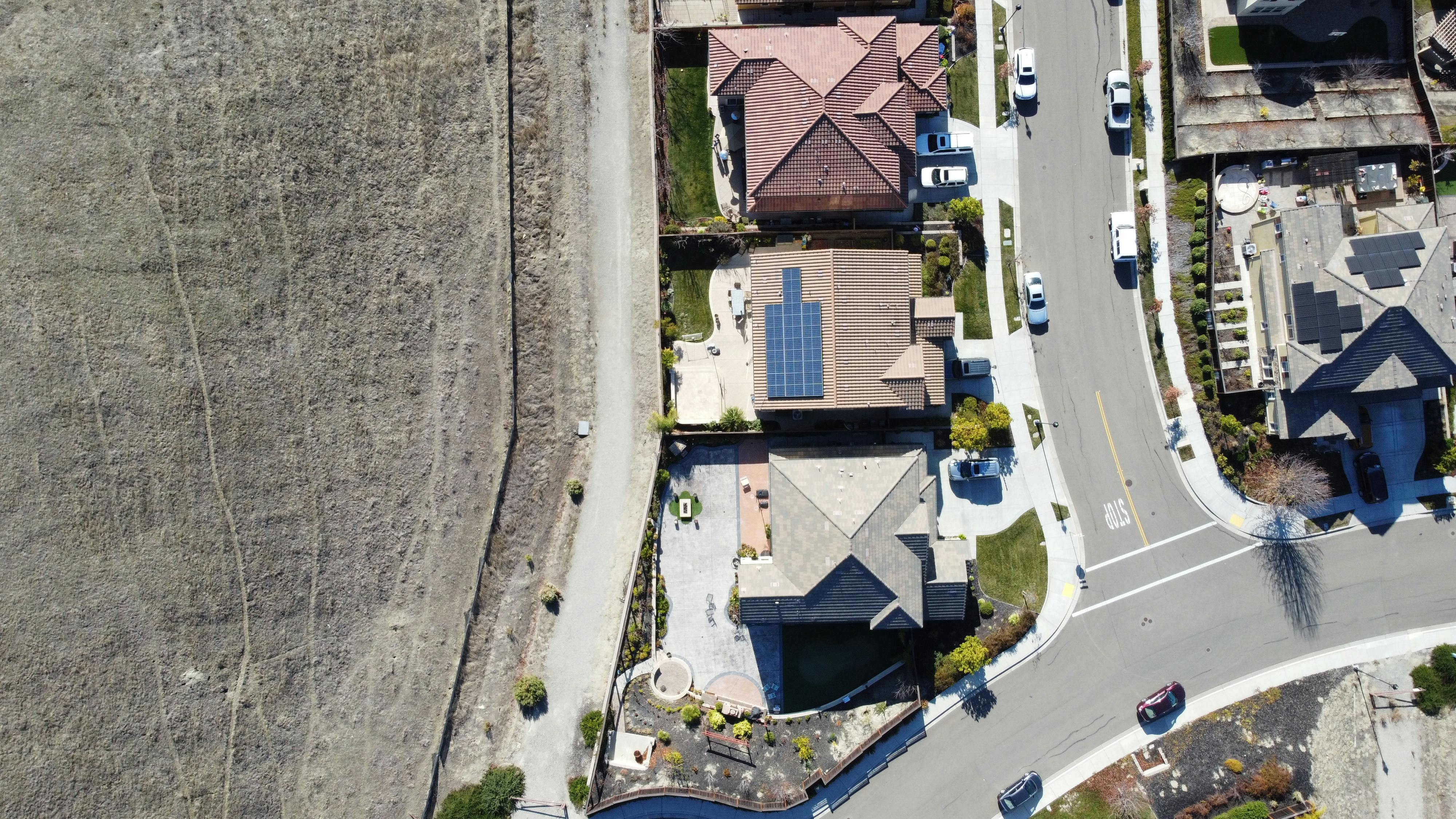
The evolution toward engineered self-sufficient sanctuaries represents the peak of modern residential excellence. Standard construction methods are no longer sufficient to provide the independence required by today’s elite residents. Strategic infrastructure investment in renewable energy is the primary foundation for asset resilience. Decoupling and massive solar arrays are essential for providing off-grid energy. Precision sealing of the home envelope ensures the integrity of the thermal barrier is never compromised. Advanced battery systems turn the building envelope into a fortress of energy and beauty.
Mechanical vibration control allows for invisible climate management that supports cognitive focus. Energy absorption creates a warm and lively interior environment perfect for social connection. The economic returns on self-sufficient assets are driven by superior market desirability and equity. Physical energy independence provides an essential layer of security for high-level professional work. Wellness-centric design turns the home into a proactive tool for biological recovery and health.
Scaling these systems for multi-unit developments ensures a high-quality living experience for everyone. Future-proofing through bio-based materials protects the property from technological obsolescence. Strategic capital allocation in high-performance insulation is a masterclass in risk mitigation. Technology and engineering are the dual engines of modern domestic sanctuary innovation. Ultimately, self-sufficient systems foster a state of total environmental and psychological resonance. The home of the future is an invisible masterpiece of power, comfort, and private security.

